
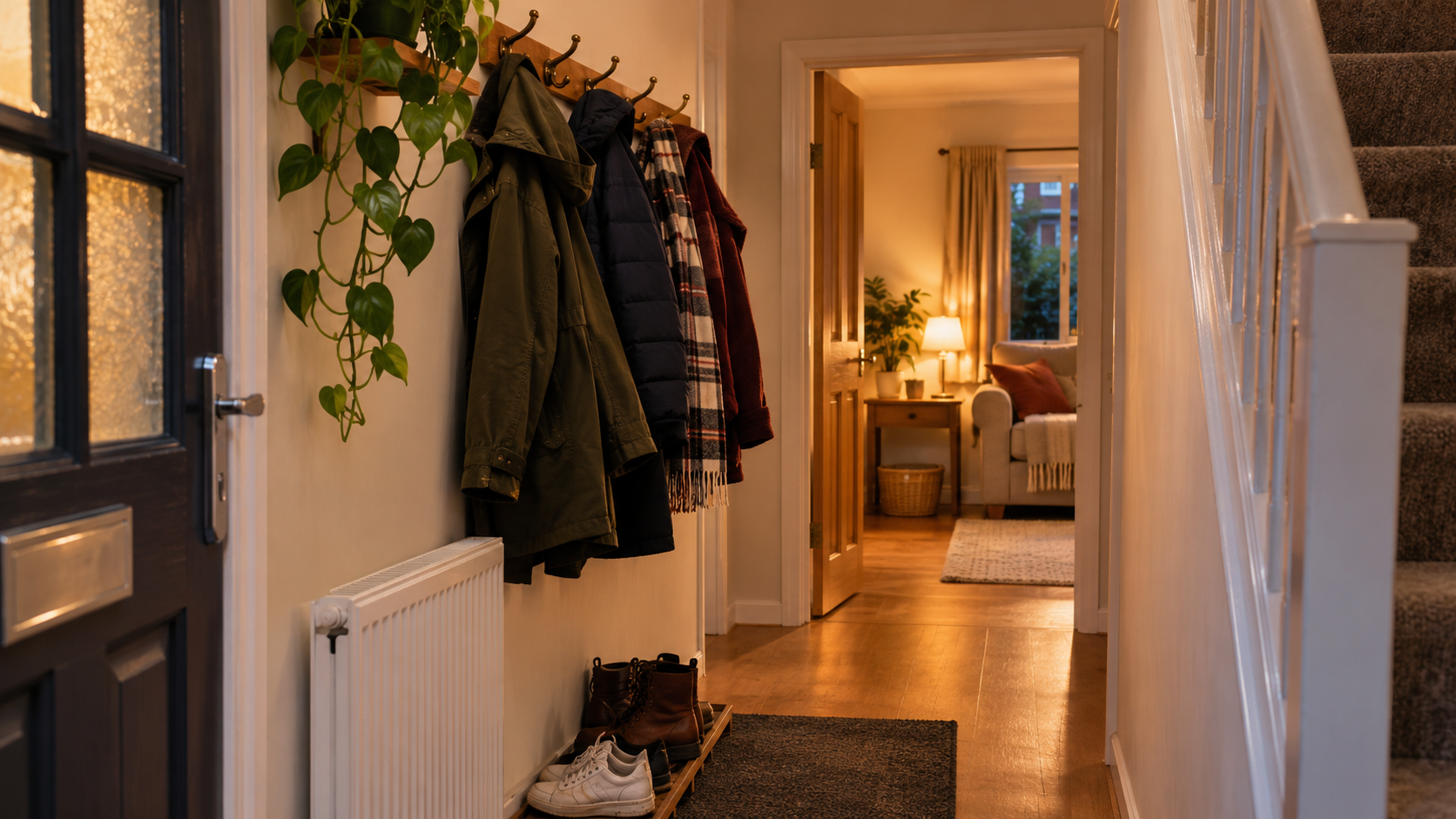
When you hear the word church, what comes to mind? For many of us, it’s a Sunday morning. There’s a building, a time to turn up, some singing and someone who speaks. For others, church might look like a group of people in a living room, still holding their mugs of tea as someone opens the Bible and asks, ‘What do you make of this?’
That second picture is what some people are exploring when they try house church. Some have spent years in a traditional church and miss the closeness of a smaller community. Some still love Jesus but find it hard to imagine going back to the kind of church they once knew. Others are curious about faith and feel more comfortable asking their first questions in someone’s front room.
So what is it about meeting in a home that makes a difference?
You get to know people beyond Sunday morning
You can attend the same church for months and still only know a handful of names. Even when people are friendly, there’s only so much you can learn about someone in the time it takes to drink a cup of coffee after a service.
When you’re sharing a meal in a smaller group, conversation has a bit more time to go somewhere. You might find out how someone ended up in St Neots, what’s happening with their family or why work has been particularly hard this week. The next time you see them, you can ask how things went. And if you’ve had a difficult week yourself, you have someone you can call who already knows a little of the story.
Friendships like that take time to grow. Meeting regularly in a home gives them a chance to grow through the ordinary things you do together.
There’s room to ask the question you actually have
One of the things I enjoy about opening the Bible in a small group is hearing what other people notice. Someone picks up on a detail you’ve read past for years. Someone else is willing to say, ‘I’m really not sure what that means.’ Sometimes that’s the question everyone else wanted to ask.
You can bring what’s happening in your life into the conversation too. A passage about forgiveness might prompt someone to talk about a relationship they’re struggling with. That can change the way everyone in the room thinks about what they’ve just read. You can talk about it together and, if the person wants you to, pray with them before you go home.
There’s room to listen as well. If you’re new, or you’ve had one of those days when you’re glad you made it through the door, you can simply be there.
Faith becomes part of everyday life
There’s something about sitting in an ordinary home that makes it easier to talk about ordinary life. The washing-up still needs doing. Someone has come straight from work. Someone else is trying to remember whether they’ve put the bins out. And in the middle of all that, you get to talk about where you’ve seen God at work, what you’re finding difficult, or how someone can pray for you.
The bit I value most is what can happen between gatherings. Somebody remembers the appointment you were worried about and sends you a message. A conversation you started over dinner carries on over coffee. You find yourself praying for someone on a Tuesday because you know what they’re facing that day. Over time, that’s what makes it feel like you’re sharing life.
How does it compare with traditional church?
There are things I love about a larger gathering. Singing with a room full of people can be wonderful. Established churches often have the people and resources to run children’s groups, support local projects and care for people in ways that a handful of households would find hard to sustain.
A smaller gathering has its own strengths. It’s easier for everyone to join a conversation. People can share the hosting, bring food or have a go at leading a discussion. And when someone needs a little more time to talk or pray, the evening can make room for that.
Small groups have their challenges too. It takes effort to welcome new people into a group where everyone already knows each other. Hosting takes work, and it helps when that work is shared. For people who are drawn to house church, the chance to take part and build those closer relationships can make that effort worthwhile. Some people make house church their main Christian community. Others enjoy a smaller gathering alongside a Sunday service.
There’s something familiar about all this if you read Acts 2. The early Christians gathered in the temple courts and shared meals in their homes. Both settings were part of their life together. It’s easy to see why the simple practice of opening your home and sharing a meal still appeals today.
What house church looks like in St Neots
Lighting Fires is a network with a vision for thousands of house churches. That’s a big vision, but what it looks like on the ground is quite simple. A few people make room in their homes, get to know one another and learn what it means to follow Jesus together where they live.
At St Neots House Church, we meet in the evenings in different homes around town. We eat a home-cooked meal, catch up on the ups and downs of the week, read a passage from the Bible and pray. Sometimes we sing together, and we often share communion. People come from different church backgrounds, and some have never been part of a church before. Read about the Lighting Fires vision.
Walking into someone’s home for the first time can feel like a big step, especially if everyone else already knows each other. That’s why we like to meet for a coffee first. You can ask what an evening is like, tell us a bit about yourself if you want to, and see how you feel about coming along. If you do decide to give it a try, you’ll already know someone when you arrive. Find out more about St Neots House Church.